Call us at (561) 414-0653 for more details on special offers! Dismiss
Skip to contentTrusted medications
Certified & regulated
Protected payments
24~48 hours
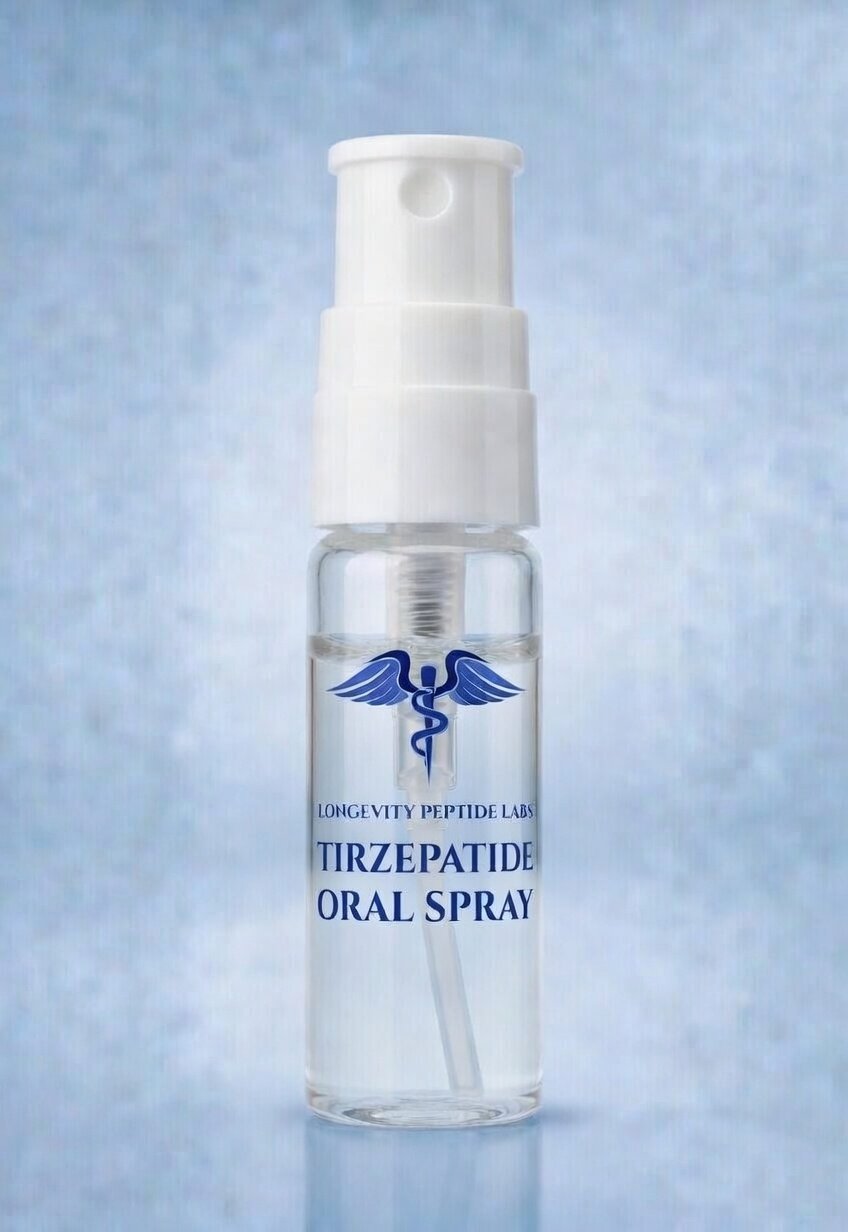
Tirzepatide is a synthetic peptide engineered to mimic incretin hormones, specifically glucose-dependent insulinotropic polypeptide (GIP) while also activating the glucagon-like peptide-1 (GLP-1) receptor. These hormones play a central role in regulating glucose metabolism, insulin signaling, appetite, and energy balance.
Tirzepatide was designed as a dual incretin receptor agonist, meaning it can activate both GIP and GLP-1 pathways simultaneously. Its peptide sequence is primarily based on the natural GIP hormone, but it includes several structural modifications and a fatty-acid side chain attachment, which:
Enhances receptor activity at both GIP and GLP-1 receptors
Extends the peptide’s stability and biological activity through strong albumin binding
Allows for a significantly prolonged half-life (approximately 5 days in pharmacokinetic studies) compared with natural incretin hormones, which are normally broken down within minutes in the body
These modifications improve the peptide’s resistance to enzymatic degradation and extend its functional activity in metabolic signaling systems compared with native incretin hormones.
Tirzepatide is commonly supplied in lyophilized form for laboratory investigation, where it is studied for its effects on incretin receptor signaling, insulin secretion pathways, glucose regulation, and metabolic research models. Research-grade preparations are typically labeled for laboratory research use only and not approved for direct human or veterinary therapeutic use outside of regulated pharmaceutical products.
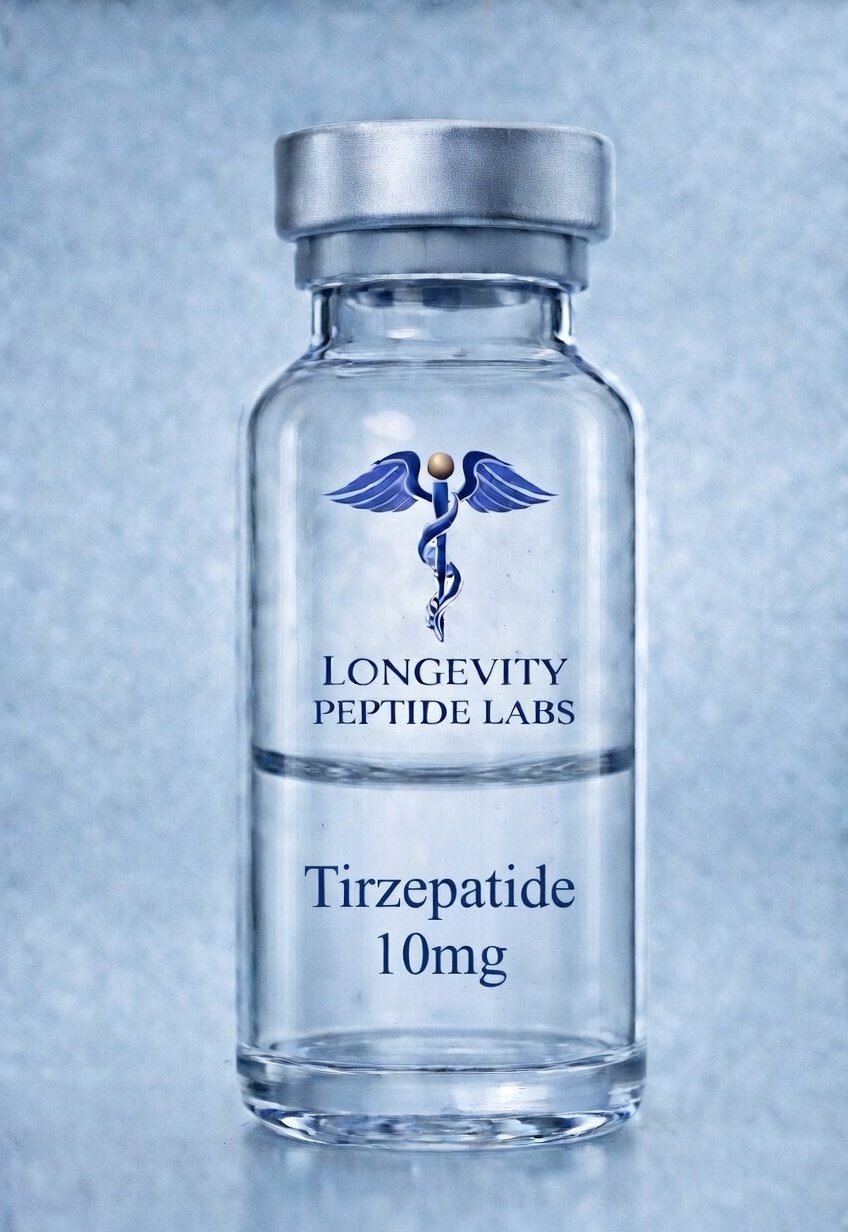
Name: Tirzepatide
Category: Synthetic peptide, dual incretin receptor agonist (Research Use Only – Not for Human or Veterinary Use)
Source: Synthetic peptide produced via solid-phase peptide synthesis (SPPS) in controlled laboratory expression systems
Appearance: Lyophilized (freeze-dried) white powder
Molecular Formula: C₂₂₅H₃₄₈N₄₈O₆₈
Molecular Weight: ~4,813.45 Da
Amino Acids: 39 (Modified peptide based on the human GIP sequence with non-natural amino acid substitutions and a C20 fatty diacid moiety to increase stability and extend biological half-life)
CAS Number: 2023788-19-2
Use Case: In vitro research, metabolic pathway studies, incretin receptor signaling research (GIP and GLP-1), glucose regulation research, obesity and diabetes mechanism studies, cell culture applications
Not Approved For: Human therapeutic use, non-clinical applications
Purity:
Typically ≥98% pure by RP-HPLC and mass spectrometry analysis
Structural identity verified via LC-MS peptide mapping and amino acid sequencing
Common purity standards ≥99% in high-end products
Endotoxin levels typically <0.01 EU/μg for high-grade preparations
Bioactivity:
Tirzepatide demonstrates dual agonist activity at glucose-dependent insulinotropic polypeptide (GIP) and glucagon-like peptide-1 (GLP-1) receptors, commonly studied in incretin signaling and metabolic regulation research
Assayed activity: EC₅₀ values determined through receptor activation and cAMP signaling assays in cultured cell systems expressing GIP and GLP-1 receptors
Extended half-life characteristics due to fatty-acid acylation enabling strong albumin binding, significantly prolonging peptide stability in experimental systems
Receptor-mediated metabolic signaling verified in in vitro assays measuring insulin secretion pathways, glucose-dependent signaling cascades, and incretin receptor activation
Lyophilized Powder:
Long-term storage: Store at -20°C to -80°C (freezer) in a dry, dark, and airtight container
Short-term storage: Can remain stable at 2°C to 8°C for up to 6 months
Avoid direct exposure to moisture or light; keep sealed with desiccant
Reconstituted Solution:
Upon reconstitution, store at 2°C to 8°C for up to 7 days
Freeze in single-use aliquots for long-term storage
Avoid freeze-thaw cycles as they degrade the peptide
Lyophilized Powder:
Long-term storage: Store at -20°C to -80°C (freezer) in a dry, dark, and airtight container
Short-term storage: Can remain stable at 2°C to 8°C for up to 6 months
Avoid direct exposure to moisture or light; keep sealed with desiccant
Reconstituted Solution:
Upon reconstitution, store at 2°C to 8°C for up to 7 days
Freeze in single-use aliquots for long-term storage
Avoid freeze-thaw cycles as they degrade the peptide