Call us at (561) 414-0653 for more details on special offers! Dismiss
Skip to contentName: Human Chorionic Gonadotropin (HCG)
CAS Number: 9002-61-3
Molecular Weight: Approximately 36,700 Da
Chemical Formula: C152H212N46O45S7
Structure: HCG is a glycoprotein hormone composed of two subunits:
Alpha Subunit (α): This subunit is identical to the alpha subunits of other pituitary hormones like LH (Luteinizing Hormone) and FSH (Follicle Stimulating Hormone).
Beta Subunit (β): This subunit is unique to HCG and is responsible for its biological activity, including stimulation of the gonads (ovaries and testes).
Trusted medications
Certified & regulated
Protected payments
24~48 hours
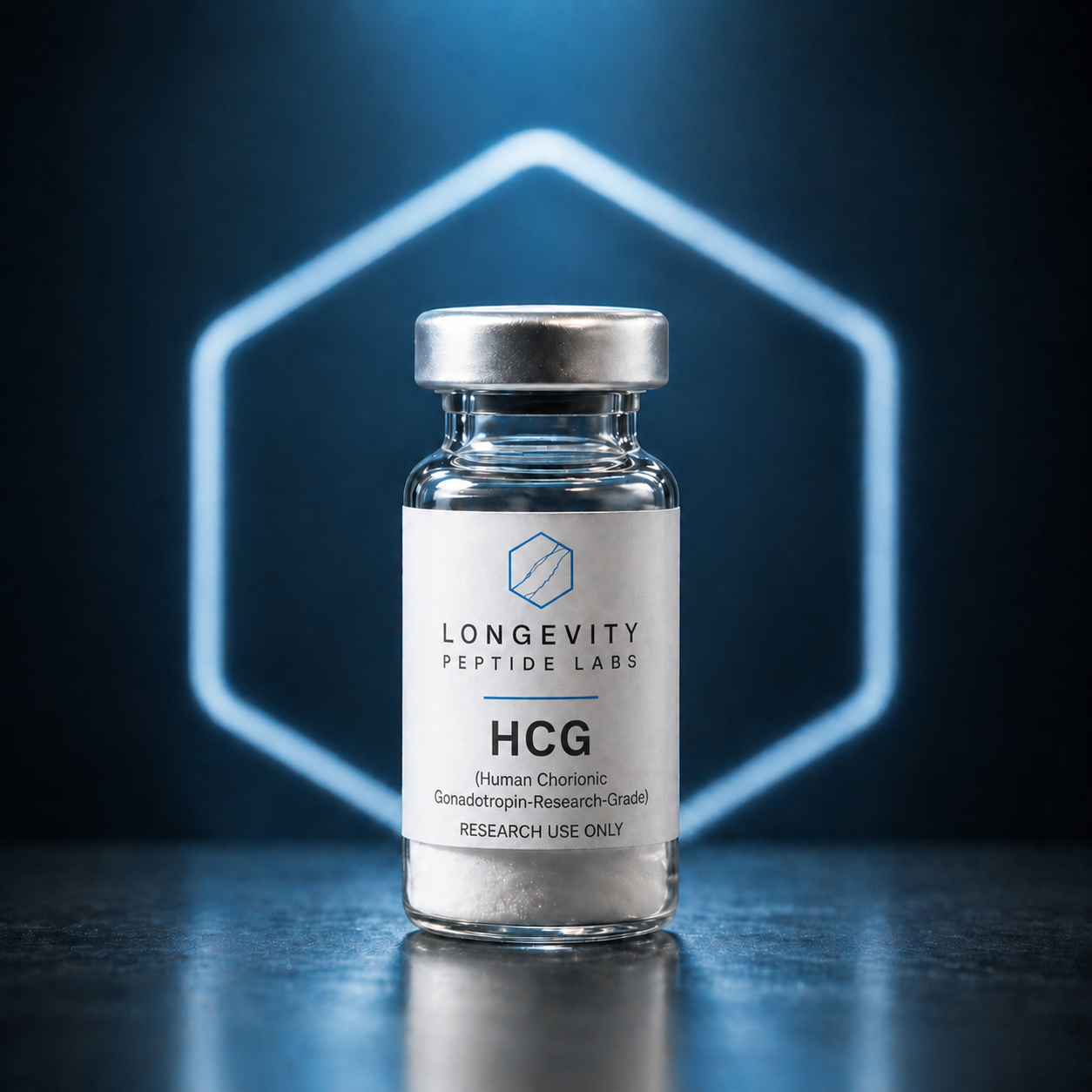
Human Chorionic Gonadotropin (HCG) is a glycoprotein hormone involved in fertility research and hormone regulation studies. Composed of an alpha subunit (shared with other pituitary hormones) and a beta subunit (unique to HCG), it has a molecular weight of approximately 36,700 Da. HCG is commonly derived from pregnant women’s urine or produced through recombinant DNA technology. In research, it is available as a lyophilized powder that must be reconstituted with sterile or bacteriostatic water. Its purity is typically >95%, confirmed by HPLC or MS.
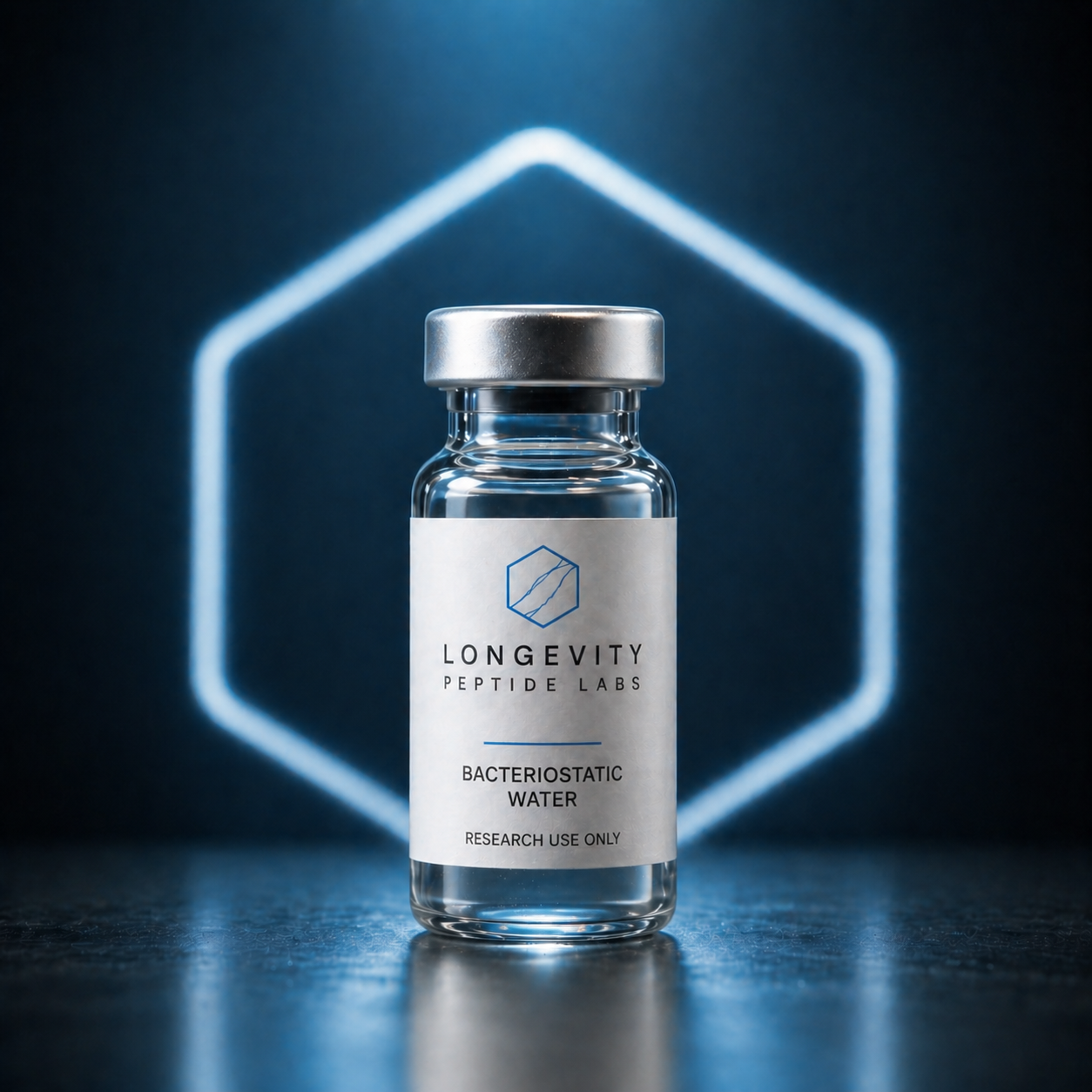
For storage, HCG should be kept in a cool, dry place and stored at -20°C to -80°C for long-term storage, with reconstituted solutions stored in the refrigerator at 2°C to 8°C. It is mainly used in fertility treatments, hormonal research, and pregnancy studies, and sometimes in cancer research. HCG is for laboratory use only and not FDA-approved for clinical applications. Proper handling using sterile techniques and following safety protocols is essential.
Name: Human Chorionic Gonadotropin (HCG)
CAS Number: 9002-61-3
Molecular Weight: Approximately 36,700 Da
Chemical Formula: C152H212N46O45S7
Structure: HCG is a glycoprotein hormone composed of two subunits:
Alpha Subunit (α): Identical to the alpha subunits of other pituitary hormones.
Beta Subunit (β): Unique to HCG and responsible for its biological activity.
Purity: Typically >95% (HPLC verified).
Test Method: High-Performance Liquid Chromatography (HPLC), Mass Spectrometry (MS), or SDS-PAGE (Polyacrylamide Gel Electrophoresis) are commonly used to verify purity.
Source: HCG is often obtained from pregnant women’s urine or recombinant DNA technology for research purposes.
Forms: Available in lyophilized (freeze-dried) powder form for reconstitution.
Lyophilized Powder (Unopened):
Store at -20°C to -80°C (freezer) for long-term stability.
Keep in a cool, dry place, away from direct light.
Reconstituted Solution:
After reconstitution with sterile water or bacteriostatic water, store at 2°C to 8°C (refrigerator).
Use within several weeks once reconstituted to avoid degradation.
Handling:
Always store in a cool, dry place and avoid repeated freeze/thaw cycles for reconstituted solutions.
Use sterile technique when reconstituting to avoid contamination.
Lyophilized Powder (Unopened):
Store at -20°C to -80°C (freezer) for long-term stability.
Keep in a cool, dry place, away from direct light.
Reconstituted Solution:
After reconstitution with sterile water or bacteriostatic water, store at 2°C to 8°C (refrigerator).
Use within several weeks once reconstituted to avoid degradation.
Handling:
Always store in a cool, dry place and avoid repeated freeze/thaw cycles for reconstituted solutions.
Use sterile technique when reconstituting to avoid contamination.