Call us at (561) 414-0653 for more details on special offers! Dismiss
Skip to contentType: Synthetic tripeptide (Lys‑Pro‑Val)
Purity: Typically ≥ 95%, verified by HPLC
Form: Lyophilized powder
Storage:
Unopened: Store at ‑20°C or lower
Reconstituted: Store at 2°C to 8°C (refrigerator)
Avoid freeze/thaw cycles
COA: Includes batch number, purity, molecular weight, and storage instructions
Use: For research purposes only, not FDA-approved for clinical use
Trusted medications
Certified & regulated
Protected payments
24~48 hours
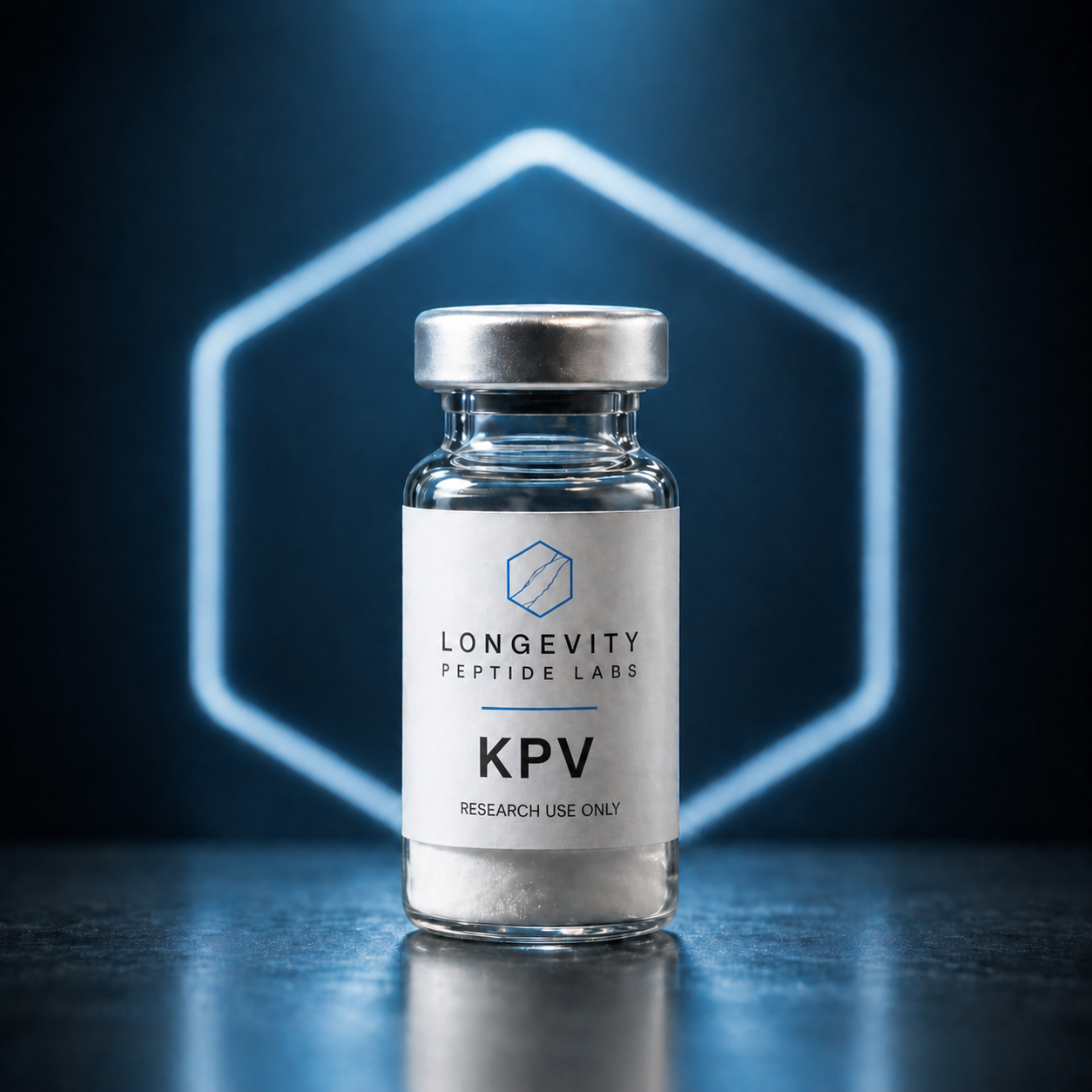
KPV is a synthetic tripeptide made up of the amino acids Lysine‑Proline‑Valine. It is a fragment of the naturally occurring anti‑inflammatory protein α‑Melanocyte Stimulating Hormone (α‑MSH) and is widely studied in laboratory research for its anti‑inflammatory, immunomodulatory, and tissue‑protective effects. In experimental settings, KPV is often used in models of inflammation, epithelial healing, and immune response regulation.
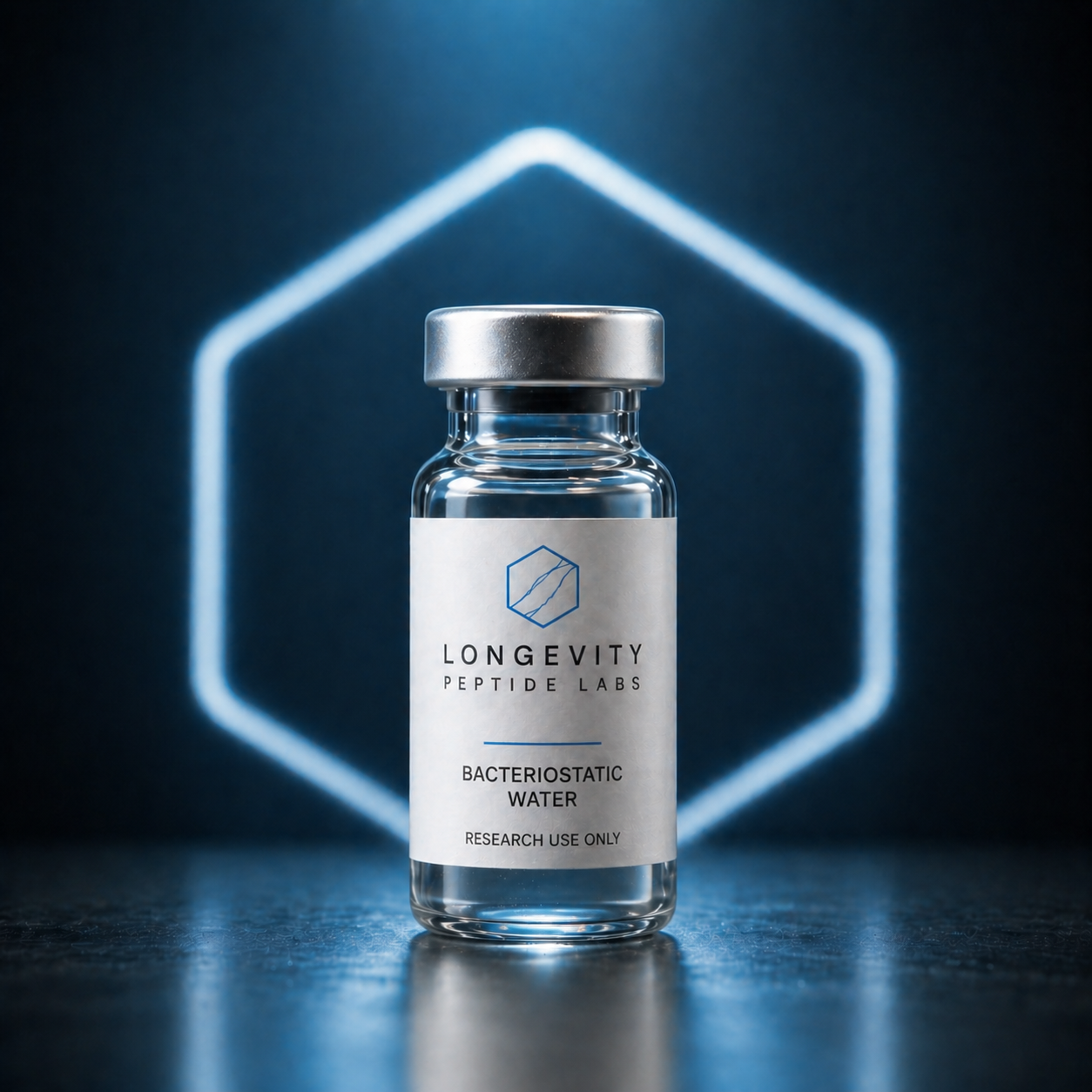
KPV is typically supplied as a white to off‑white lyophilized (freeze‑dried) powder that must be reconstituted with an appropriate sterile solvent (such as sterile water or bacteriostatic water) before use in experiments. Analytical testing methods like High‑Performance Liquid Chromatography (HPLC) or Mass Spectrometry (MS) are used to confirm the purity and identity of the peptide, and KPV is generally manufactured to high purity standards suitable for research.
For storage, the unopened lyophilized KPV powder should be kept in a cool, dry place and stored at ‑20 °C or lower to maintain long‑term stability. Once reconstituted, the peptide solution should be stored in the refrigerator (2 °C to 8 °C) and used within the timeframe recommended by the supplier, while avoiding repeated freeze/thaw cycles that can degrade peptide integrity.
A Certificate of Analysis (COA) is typically provided with KPV, confirming quality attributes such as purity percentage, sequence identity, molecular weight, and recommended storage conditions, along with batch/lot information for traceability. KPV is intended strictly for laboratory research use and is not FDA‑approved for clinical or therapeutic use, human consumption, or veterinary applications. It is commonly used in studies related to inflammatory pathways, tissue repair, and cellular signaling mechanisms.

Peptide Name: KPV (Lysine‑Proline‑Valine)
Peptide Sequence: Lys‑Pro‑Val
Peptide Type: Synthetic anti‑inflammatory tripeptide
Form: Lyophilized (freeze‑dried) powder
Appearance: White to off‑white crystalline powder
Intended Use: For laboratory research purposes only
Typical Purity Level: ≥ 95% or higher (commonly ≥ 98%)
Verification Methods:
High‑Performance Liquid Chromatography (HPLC)
Mass Spectrometry (MS)
Identity Confirmation: Peptide sequence and expected molecular profile confirmed via analytical testing
Purity and identity values are documented and certified in the Certificate of Analysis (COA)
Unopened (Lyophilized Powder):
Store in a cool, dry place
For long‑term storage: ‑20 °C or lower (freezer) is recommended
Reconstituted Solution:
After adding an appropriate sterile solvent (e.g., sterile water)
Store at 2 °C to 8 °C (refrigerator)
Use within the timeframe specified on the COA or label
Avoid repeated freeze/thaw cycles to prevent peptide degradation
Unopened (Lyophilized Powder):
Store in a cool, dry place
For long‑term storage: ‑20 °C or lower (freezer) is recommended
Reconstituted Solution:
After adding an appropriate sterile solvent (e.g., sterile water)
Store at 2 °C to 8 °C (refrigerator)
Use within the timeframe specified on the COA or label
Avoid repeated freeze/thaw cycles to prevent peptide degradation