Call us at (561) 414-0653 for more details on special offers! Dismiss
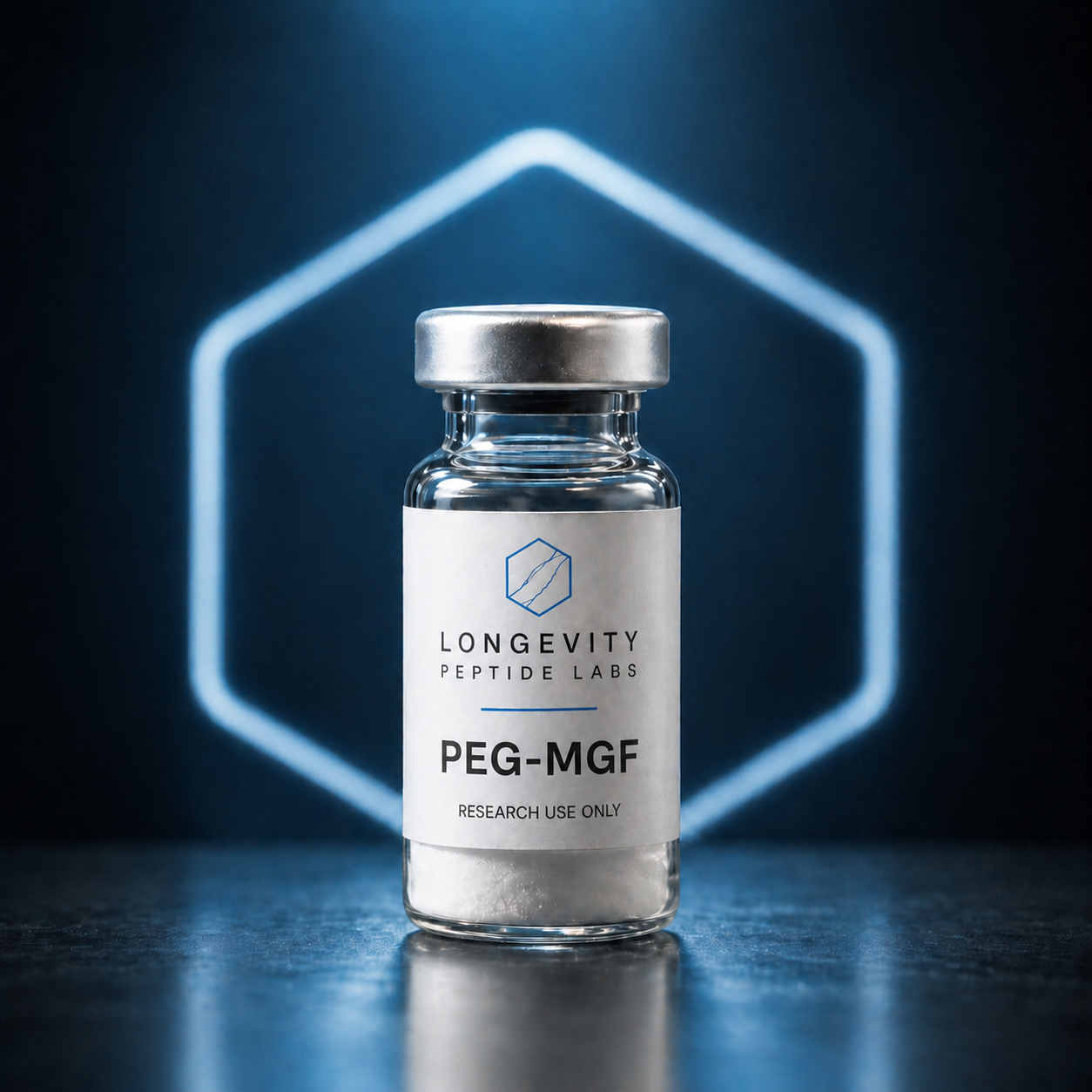
Skip to contentPeptide Basis: Derived from the E‑domain sequence of IGF‑1Ec (MGF)
Modification: PEGylation — covalent attachment of a polyethylene glycol chain to improve stability and half‑life
Typical Sequence Source: Modified MGF region via PEG linkage
Molecular Formula: ~C₁₂₁H₂₀₀N₄₂O₃₉ (typical for PEGylated peptide)
Molecular Weight: Varies with PEG size, but research products report modified mass consistent with PEGylated peptide (~8–10 kDa or higher depending on PEG length)
Trusted medications
Certified & regulated
Protected payments
24~48 hours
Peptide Basis: Derived from the E‑domain sequence of IGF‑1Ec (MGF)
Modification: PEGylation — covalent attachment of a polyethylene glycol chain to improve stability and half‑life
Typical Sequence Source: Modified MGF region via PEG linkage
Molecular Formula: ~C₁₂₁H₂₀₀N₄₂O₃₉ (typical for PEGylated peptide)
Molecular Weight: Varies with PEG size, but research products report modified mass consistent with PEGylated peptide (~8–10 kDa or higher depending on PEG length)
Peptide Basis: Derived from the E‑domain sequence of IGF‑1Ec (MGF)
Modification: PEGylation — covalent attachment of a polyethylene glycol chain to improve stability and half‑life
Typical Sequence Source: Modified MGF region via PEG linkage
Molecular Formula: ~C₁₂₁H₂₀₀N₄₂O₃₉ (typical for PEGylated peptide)
Molecular Weight: Varies with PEG size, but research products report modified mass consistent with PEGylated peptide (~8–10 kDa or higher depending on PEG length)
Purity:
Usually ≥98–99 % pure by analytical methods such as HPLC (high‑performance liquid chromatography)
Analysis:
Certificate of Analysis (COA) typically includes:
HPLC purity chromatogram confirming >98 % main peak
Mass spectrometry (MS) showing correct mass consistent with the pegylated peptide
(If provided) low levels of residual impurities/side products
Bioactivity Consideration:
Activity in research is usually validated via satellite cell activation or growth signaling assays targeting the IGF‑axis.
Lyophilized Powder (Unopened)
Short‑Term Storage: Refrigerate at 2 – 8 °C
Long‑Term Storage: Freeze at ‑20 °C or lower (recommended for >6 months stability)
Protect from light, moisture, and repeated temperature cycling.
After Reconstitution
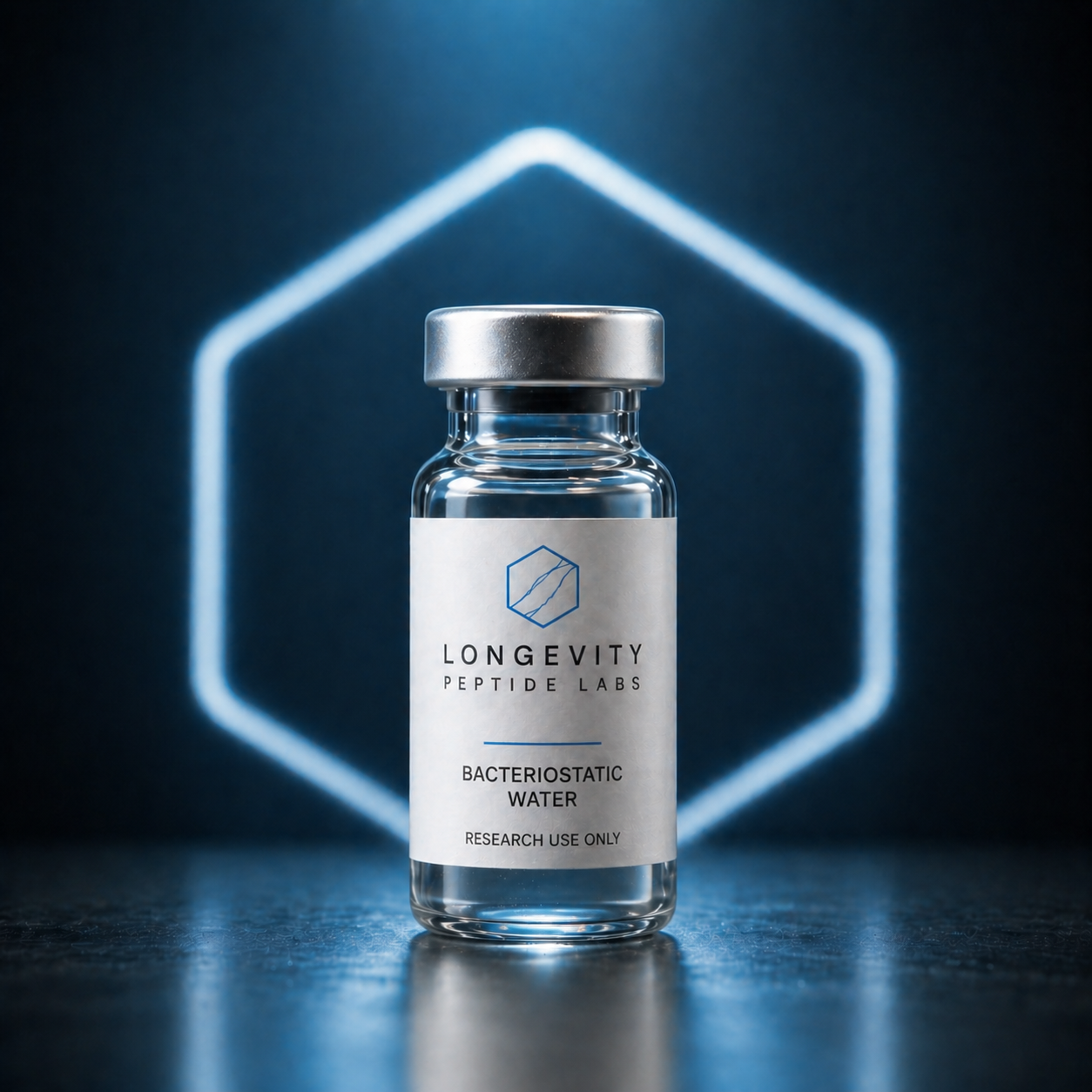
Reconstitute with bacteriostatic water or sterile buffer (exact solvent depends on research protocol)
Store at 2 – 8 °C and use within days to weeks depending on peptide handling guidelines — generally avoid freezing once reconstituted.
Avoid repeated freeze‑thaw cycles which degrade peptide activity.
Signs of Degradation
Cloudiness or discoloration
Particulate formation in solution
Unusual odor — indicates loss of integrity.
Lyophilized Powder (Unopened)
Short‑Term Storage: Refrigerate at 2 – 8 °C
Long‑Term Storage: Freeze at ‑20 °C or lower (recommended for >6 months stability)
Protect from light, moisture, and repeated temperature cycling.
After Reconstitution
Reconstitute with bacteriostatic water or sterile buffer (exact solvent depends on research protocol)
Store at 2 – 8 °C and use within days to weeks depending on peptide handling guidelines — generally avoid freezing once reconstituted.
Avoid repeated freeze‑thaw cycles which degrade peptide activity.
Signs of Degradation
Cloudiness or discoloration
Particulate formation in solution
Unusual odor — indicates loss of integrity.