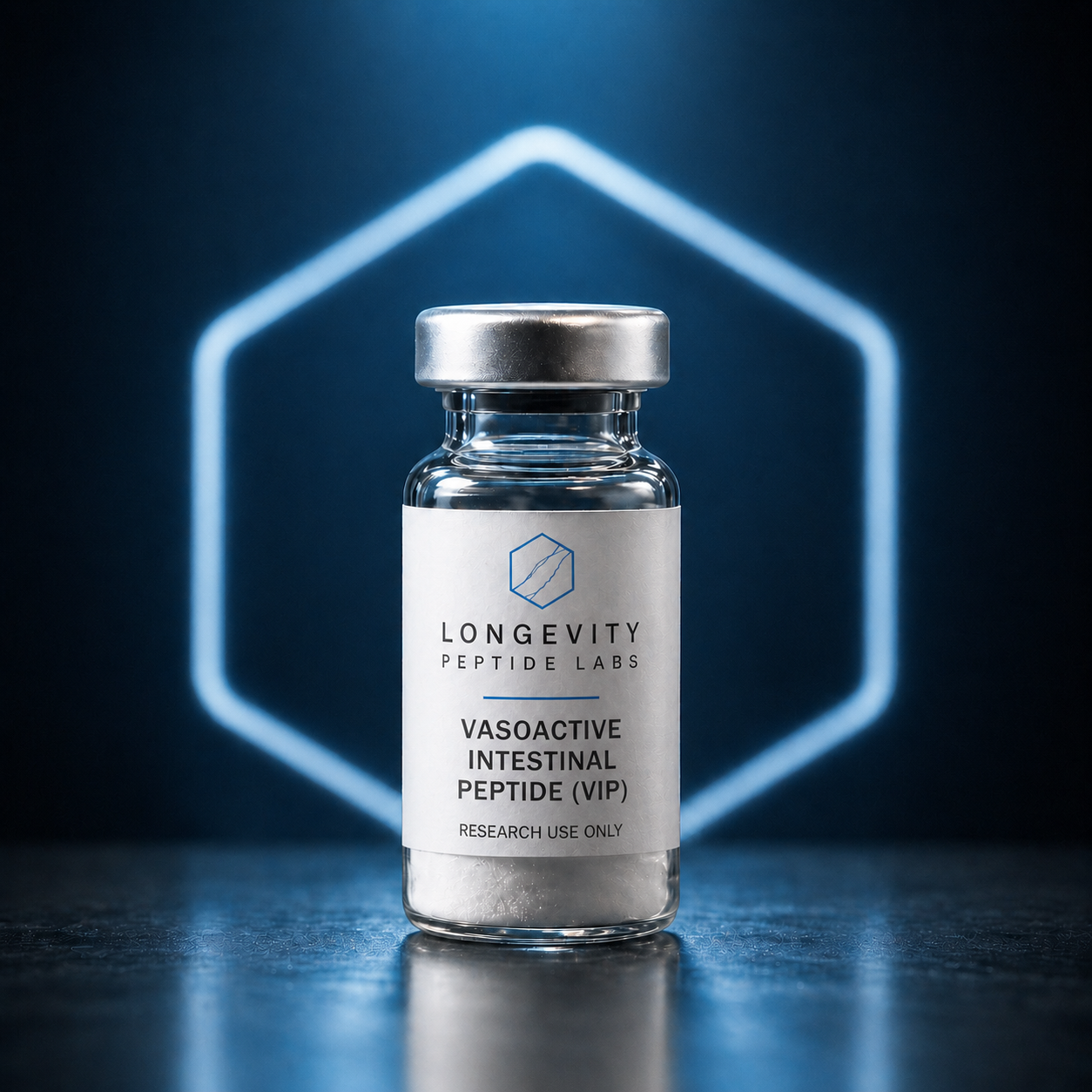
Vasoactive Intestinal Peptide (VIP) is a naturally occurring neuropeptide composed of 28 amino acids that functions as a neurotransmitter and hormone involved in a wide range of physiological processes. It was originally identified in the gut, where it acts to relax smooth muscle, stimulate secretion, and regulate blood flow, but it is also widely expressed in the central and peripheral nervous systems. VIP plays roles in vasodilation, immune modulation, circadian rhythm regulation, and neuroprotection, making it an important molecule in research on neurobiology, cardiovascular physiology, immune signaling, and metabolic regulation.
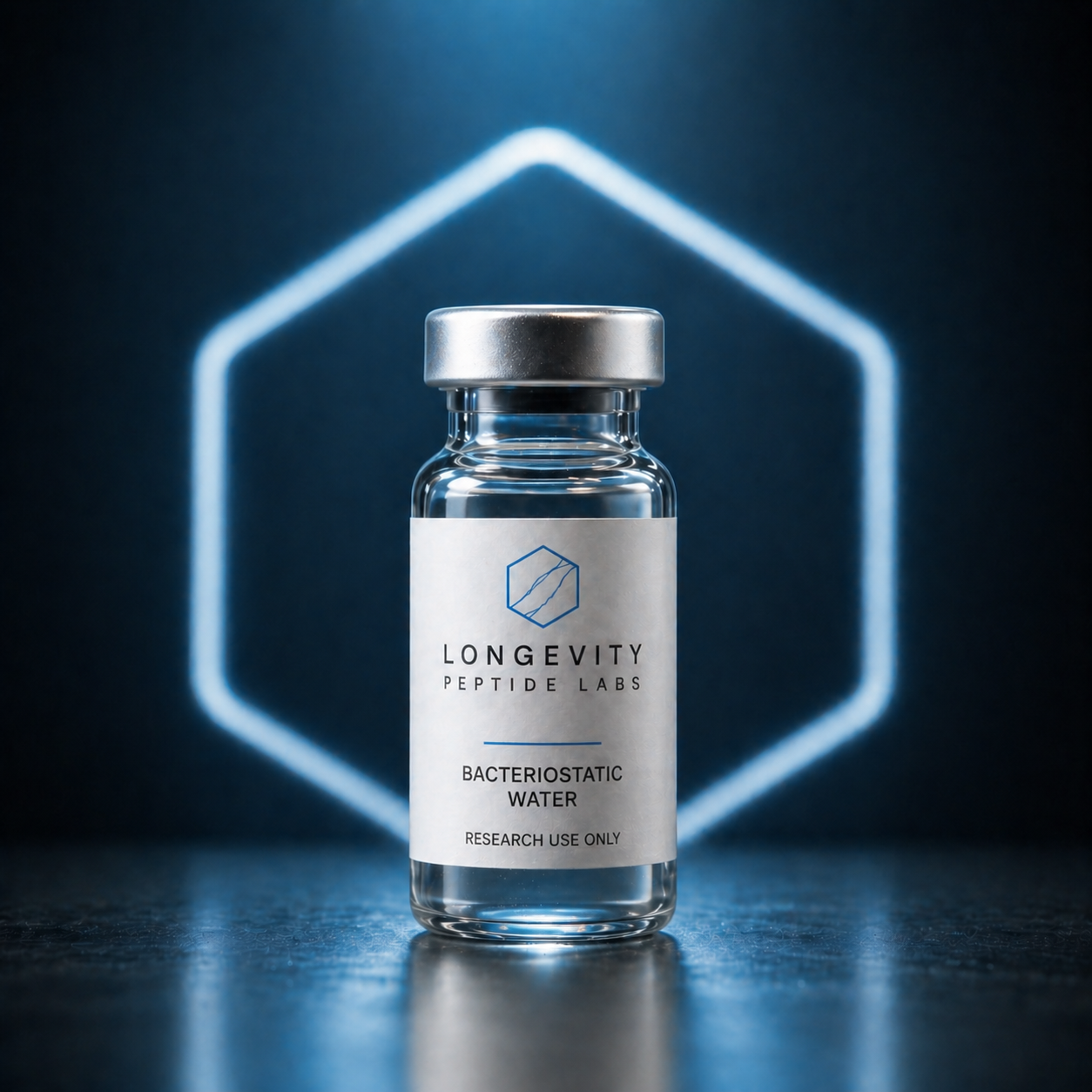
In research settings, VIP is typically supplied as a lyophilized (freeze‑dried) powder to ensure long‑term stability and ease of handling. Before use in laboratory experiments, the peptide must be reconstituted with an appropriate sterile solvent, such as sterile water or bacteriostatic water, under controlled laboratory conditions to maintain sterility and peptide integrity.
The purity of VIP used in research is generally ≥ 95% (often ≥ 98%) and is verified using analytical techniques such as High‑Performance Liquid Chromatography (HPLC) or Mass Spectrometry (MS). High purity is essential to ensure consistent results in studies involving receptor binding, signal transduction, or physiological responses in cellular or in vitro systems.
For storage, the unopened lyophilized VIP powder should be kept in a cool, dry place, with long‑term storage recommended at ‑20°C or lower to preserve stability. Once reconstituted, the solution should be stored in the refrigerator (2°C to 8°C) and used within the timeframe recommended by the supplier. It is important to avoid repeated freeze/thaw cycles, which can degrade the peptide and reduce its effectiveness in experiments.
A Certificate of Analysis (COA) is typically provided with each batch of VIP. The COA confirms important quality attributes such as purity percentage, identity verification, molecular weight confirmation, and recommended storage conditions, as well as batch/lot information for traceability.
Vasoactive Intestinal Peptide (VIP) is intended strictly for laboratory research use and is not FDA‑approved for clinical or therapeutic applications. It is commonly used in studies on neurotransmission, immune modulation, vasodilation pathways, and receptor pharmacology where VIP signaling is of interest.