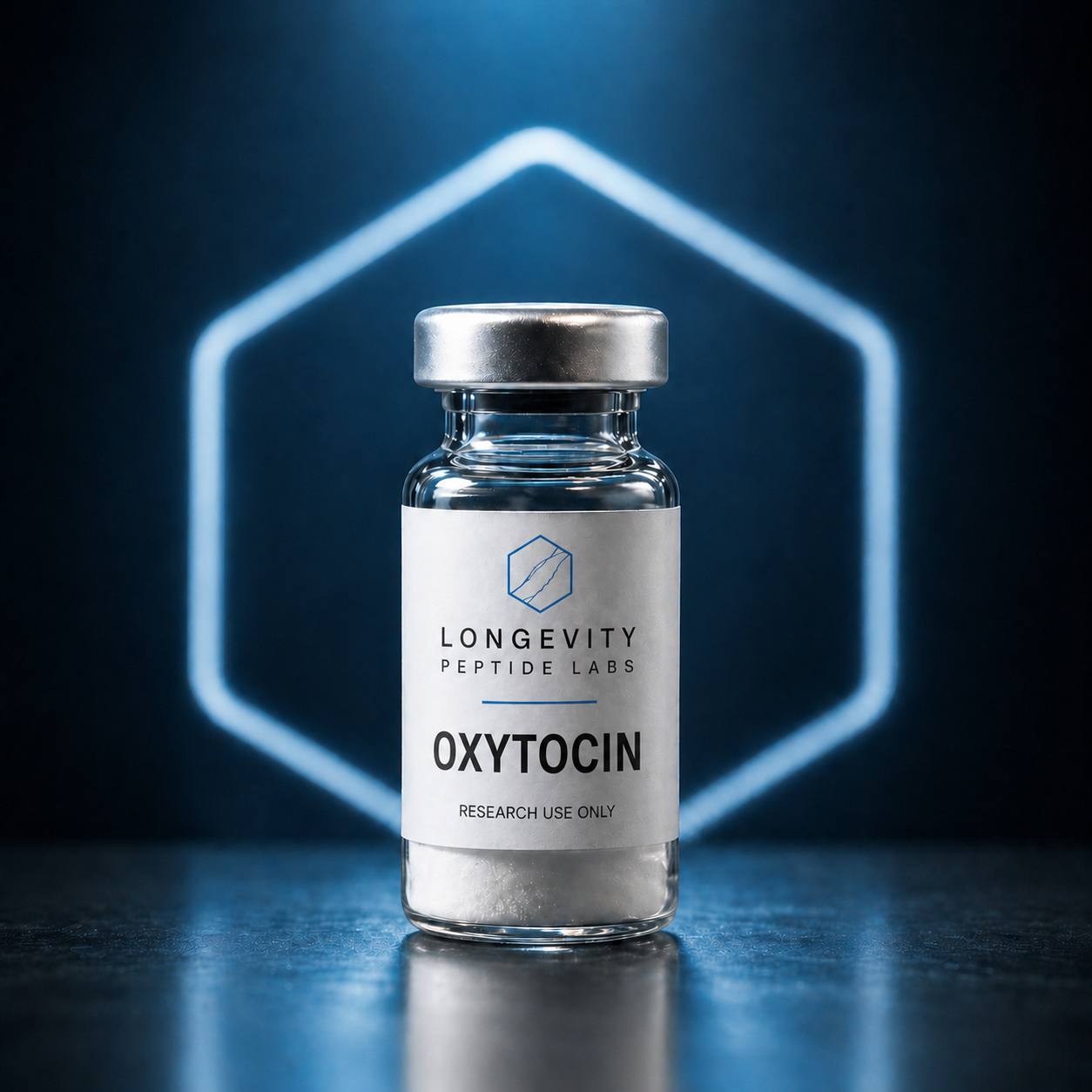
Oxytocin is a synthetic peptide hormone composed of 9 amino acids with the sequence Cys‑Tyr‑Ile‑Gln‑Asn‑Cys‑Pro‑Leu‑Gly, and a molecular weight of approximately 1007.2 Da. It plays a critical role in reproductive functions, including stimulating uterine contractions during labor and promoting milk ejection during breastfeeding. Additionally, oxytocin is studied for its neuroactive properties, influencing social bonding, empathy, and emotional regulation. In research, oxytocin is often used in studies related to neurotransmission, behavioral neuroscience, and social cognition.
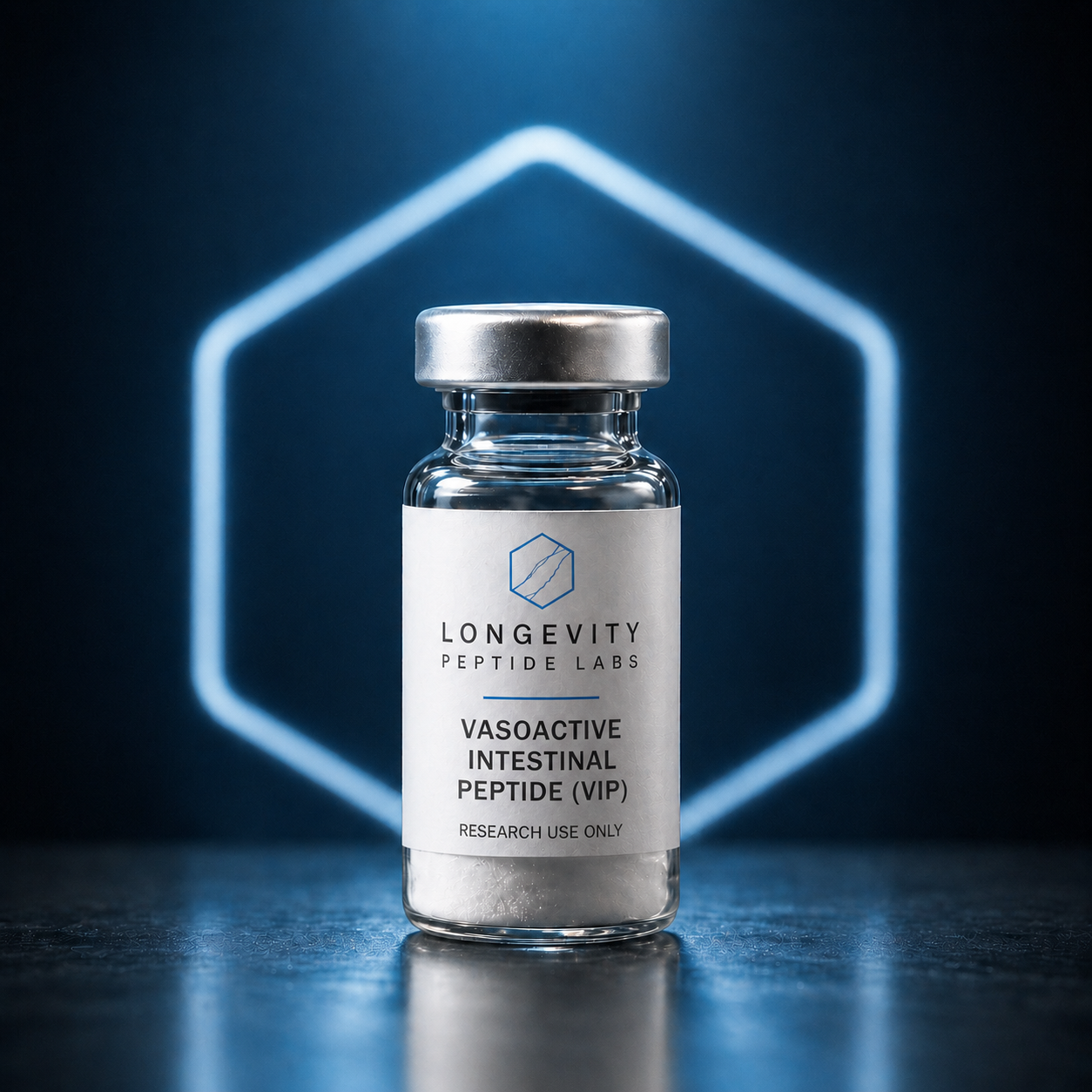
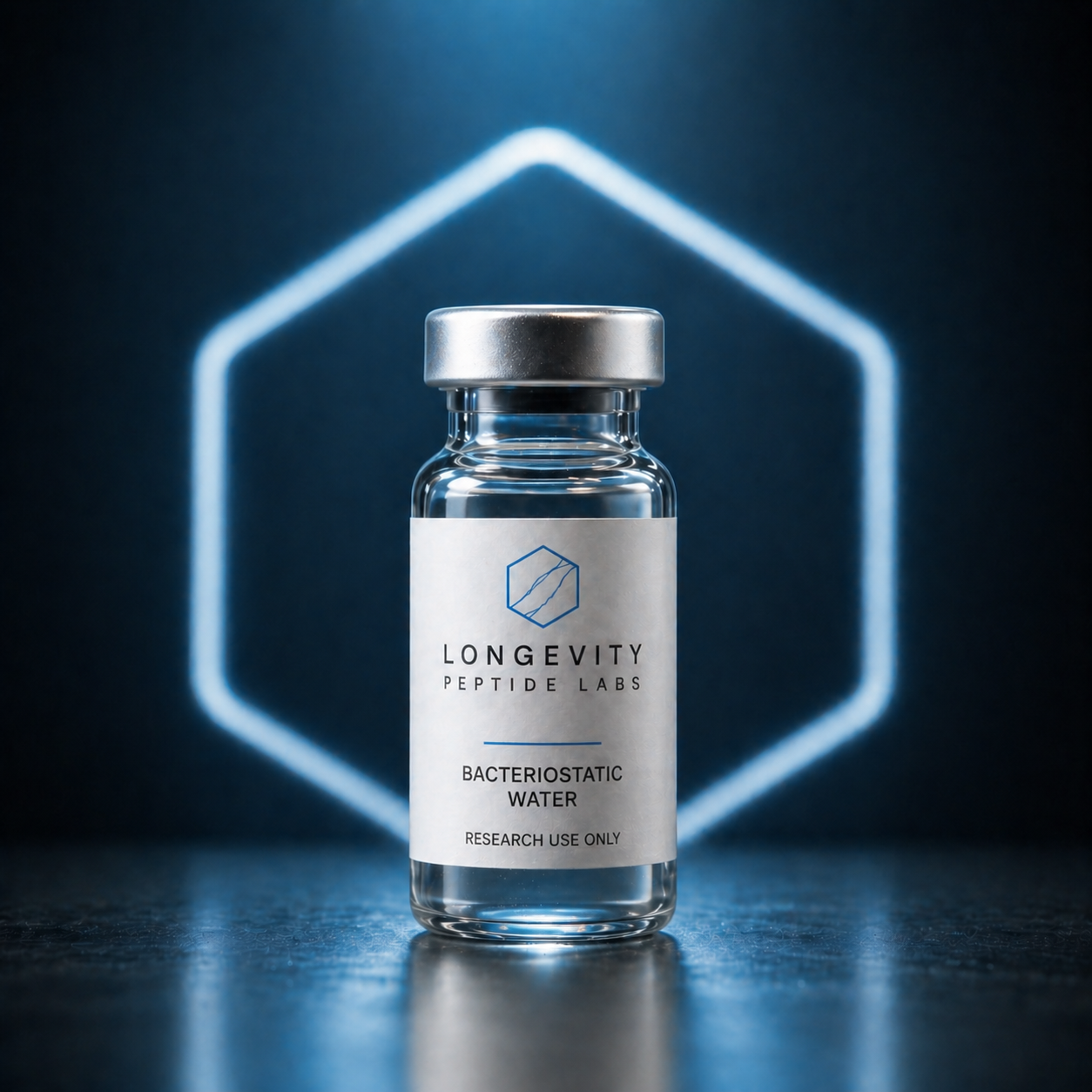
The peptide is typically supplied as a lyophilized (freeze‑dried) powder, which must be reconstituted with sterile water or bacteriostatic water before use in laboratory experiments. Purity of oxytocin peptides is generally ≥ 95%, confirmed using techniques like High-Performance Liquid Chromatography (HPLC) or Mass Spectrometry (MS). This ensures that the peptide maintains its effectiveness and consistency in research applications.
For storage, oxytocin should be kept in a cool, dry place and stored at ‑20°C or lower for long‑term preservation. After reconstitution, it should be stored in the refrigerator at 2°C to 8°C and used within the time specified by the supplier. It is important to avoid repeated freeze/thaw cycles, as this can degrade the peptide.
A Certificate of Analysis (COA) is typically provided with oxytocin to verify purity, identity, and molecular weight, along with recommendations for proper storage conditions. Oxytocin is intended strictly for laboratory research and is not FDA-approved for clinical use, human consumption, or therapeutic purposes. It is commonly used in endocrine research, behavioral studies, and investigations into neuropeptide signaling.