Call us at (561) 414-0653 for more details on special offers! Dismiss
Skip to contentPeptide Components:
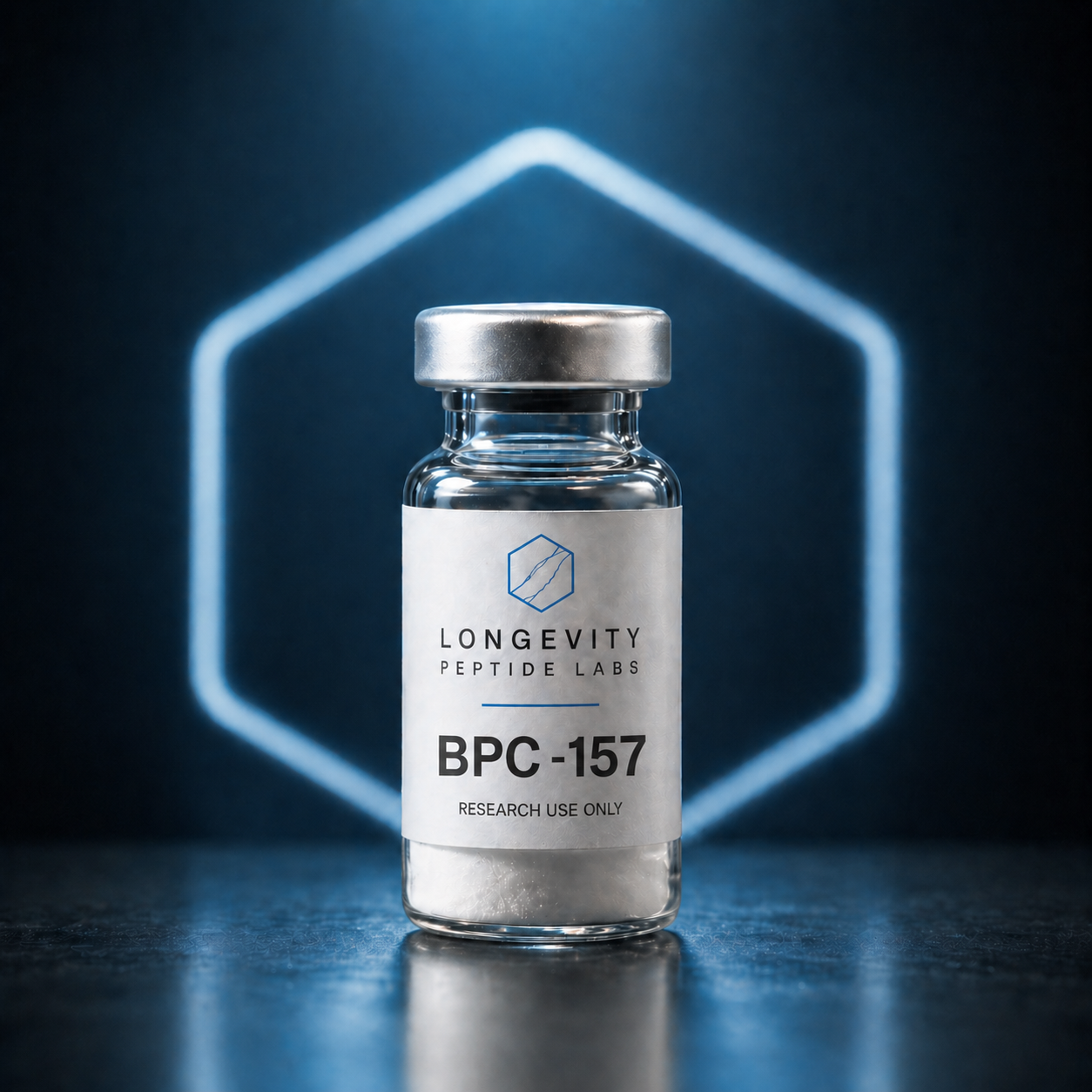
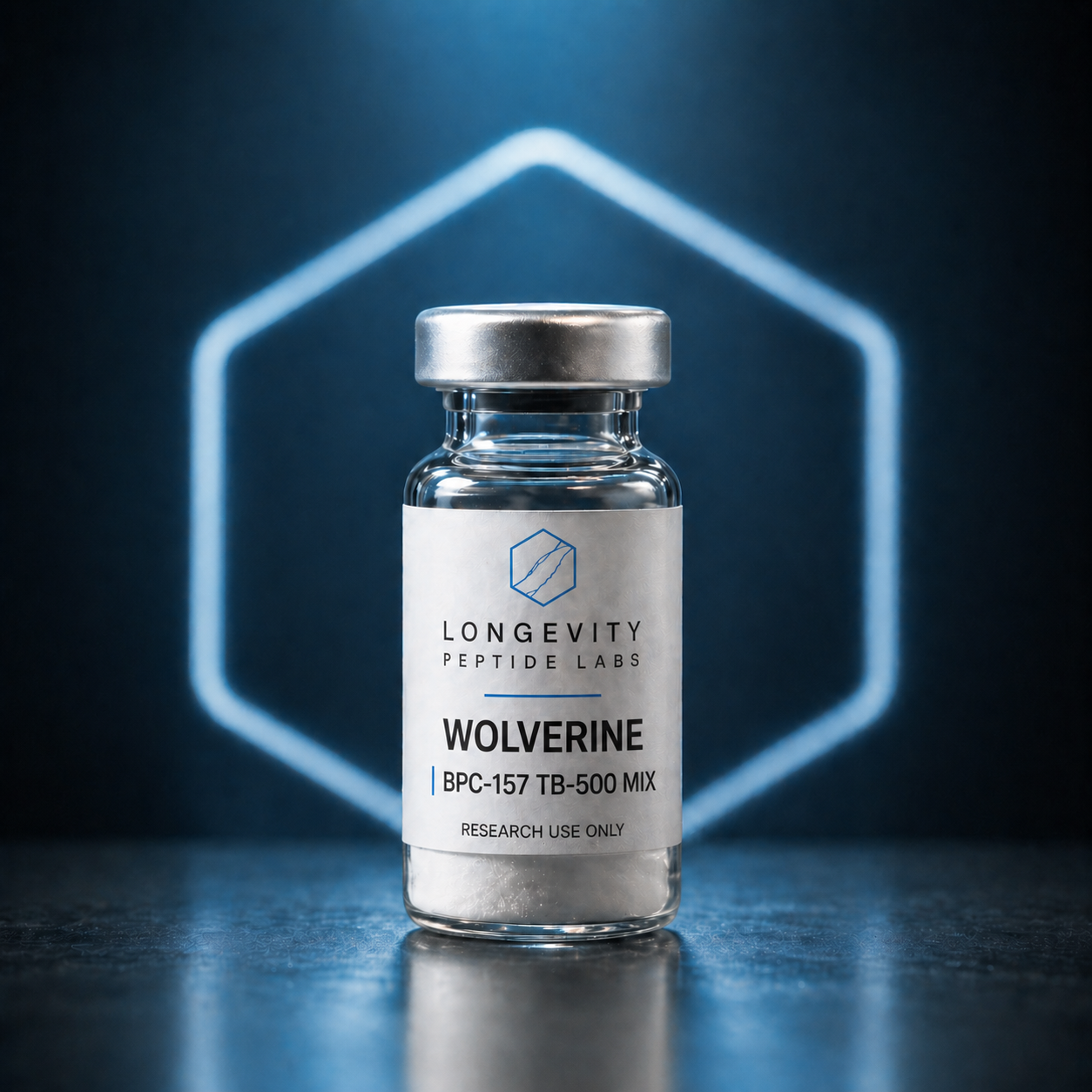
BPC‑157: Tissue healing and regeneration
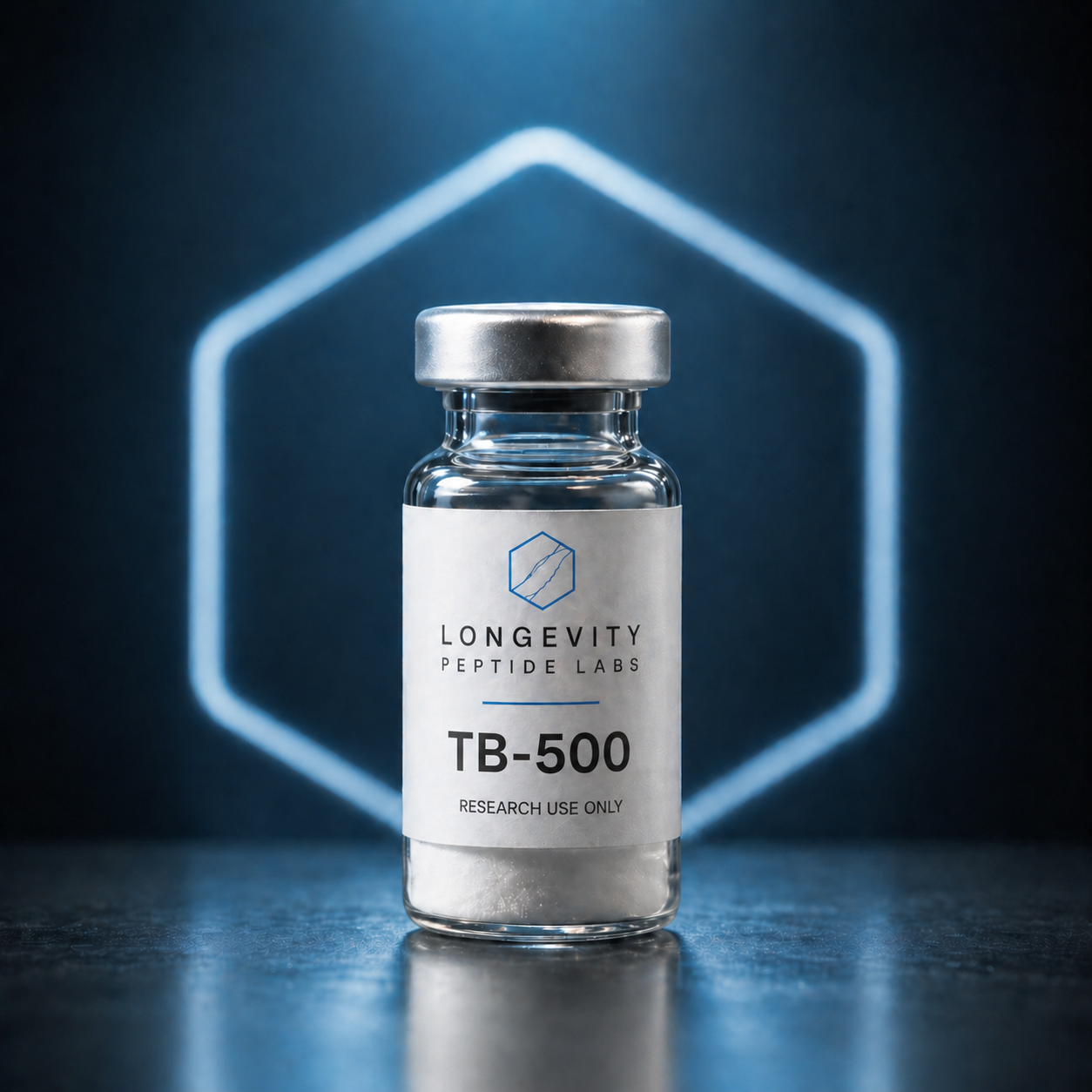
TB‑500: Cell migration and wound repair
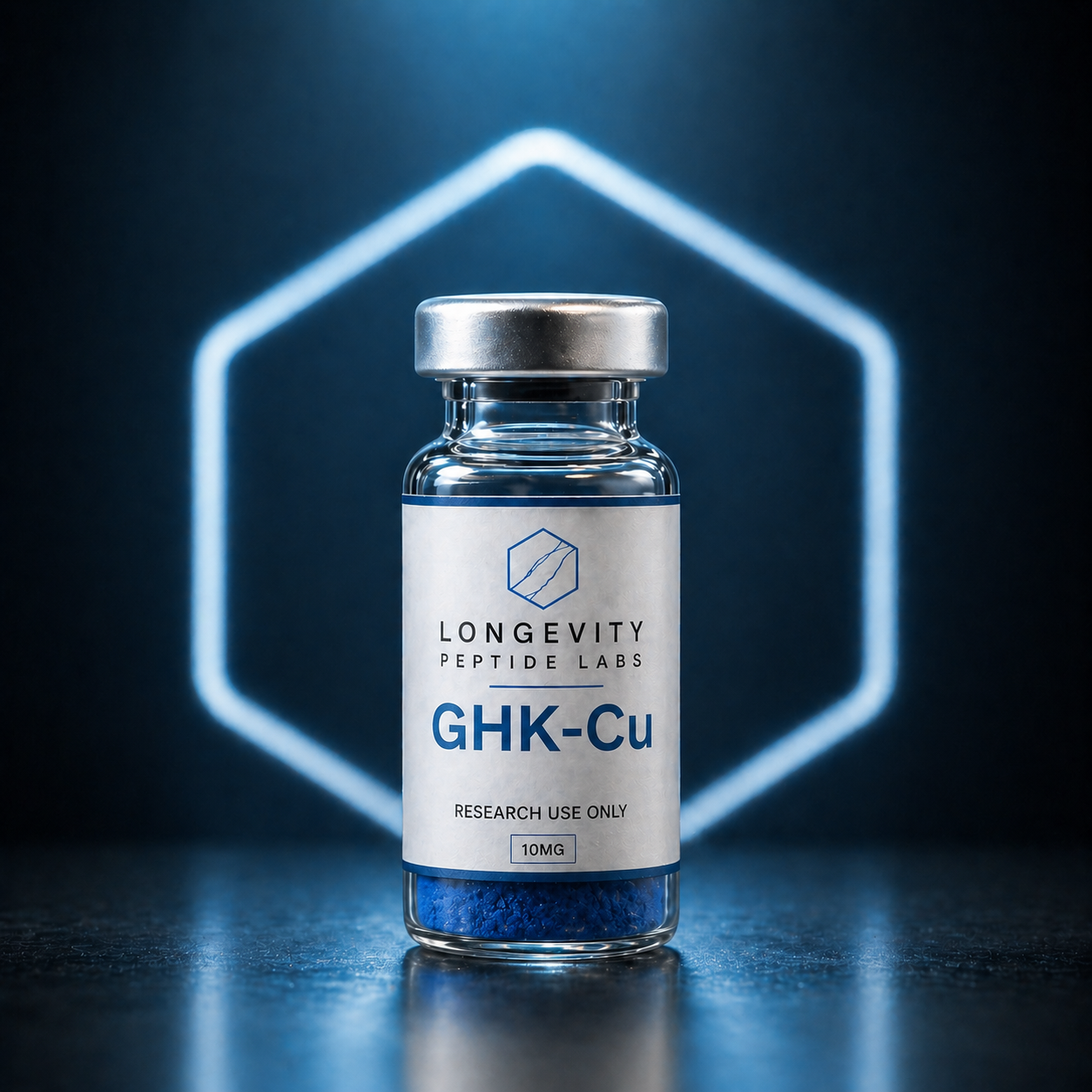
GHK‑Cu: Collagen synthesis and antioxidant effects
Form: Lyophilized (freeze‑dried) powder
Purity: Typically ≥ 98%, verified by HPLC
Storage:
Unopened: Store at ‑20°C or lower
Reconstituted: Store at 2°C to 8°C (refrigerator)
Avoid freeze/thaw cycles
COA: Includes batch number, purity, identity, and storage recommendations
Use: For research purposes only, not FDA‑approved for clinical use
Trusted medications
Certified & regulated
Protected payments
24~48 hours
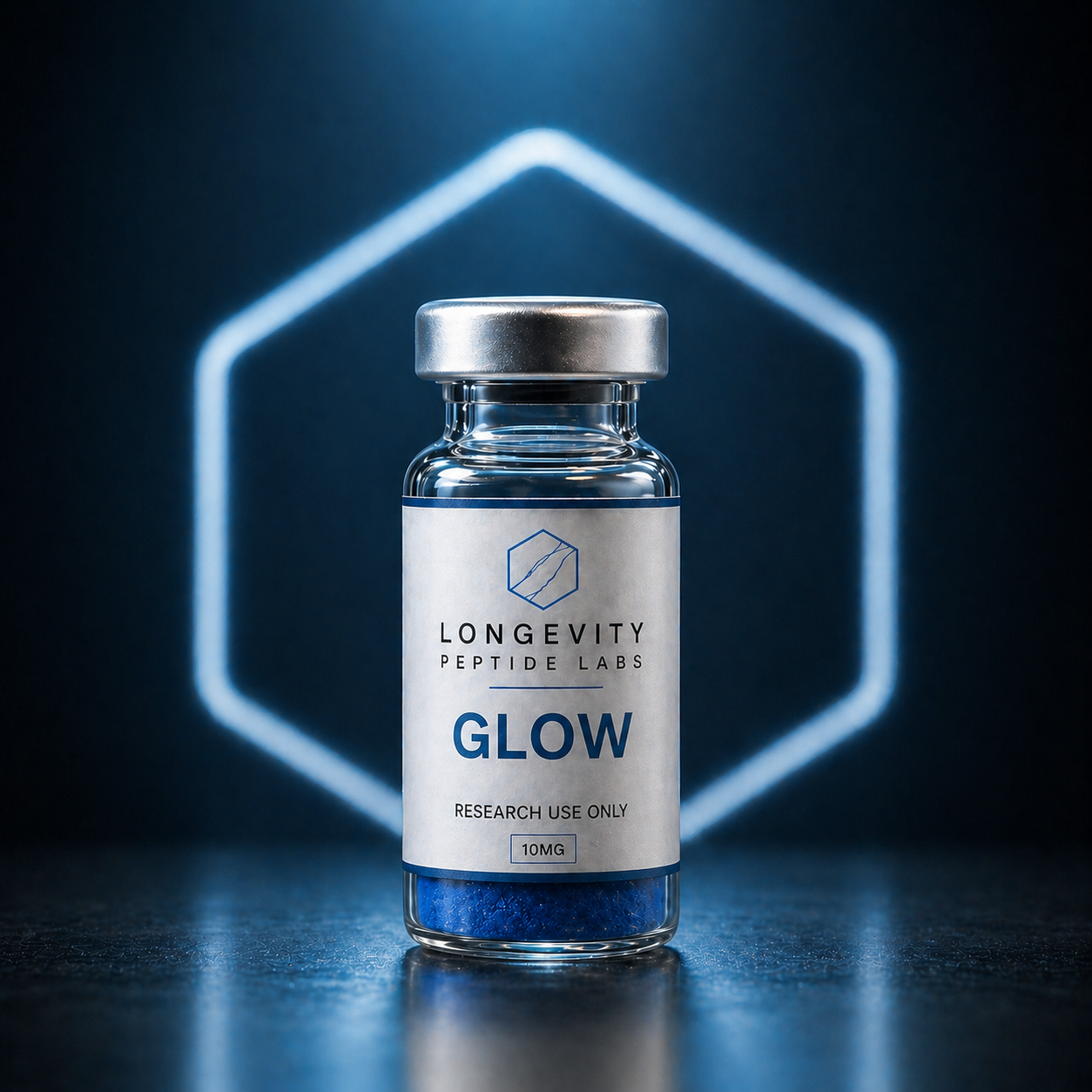
GLOW is a multi‑peptide research blend that combines three well‑studied peptides — BPC‑157, TB‑500, and GHK‑Cu (a copper‑binding tripeptide) — into a single formulation to support tissue repair, skin health, and regenerative mechanisms in laboratory models.
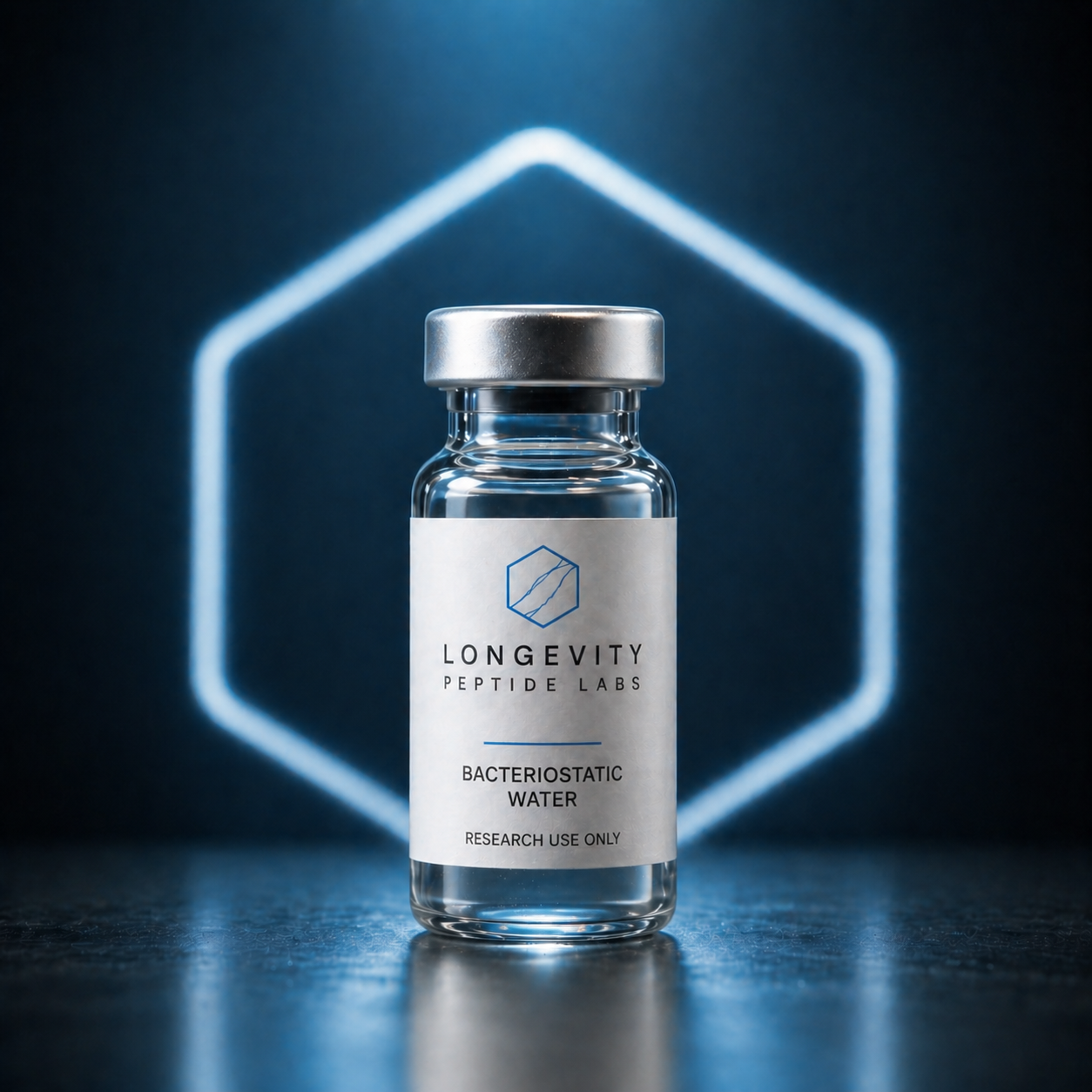
Components:
• BPC‑157 – a gastric‑derived peptide studied for tissue and connective tissue healing
• TB‑500 – a plasmatic fragment of Thymosin Beta‑4 involved in cell migration and repair pathways
• GHK‑Cu – a copper peptide associated with collagen synthesis, dermal regeneration, and antioxidant signaling
Form: Lyophilized (freeze‑dried) powder blend, usually offered in 70 mg vials for research use.
Intended Use: Designed for laboratory research purposes only and not FDA‑approved for clinical, medical, cosmetic, or human use. It’s used in studies involving tissue regeneration, wound healing, connective tissue recovery, inflammation modulation, and skin remodeling.
Mechanism: Each peptide targets distinct regenerative pathways (e.g., BPC‑157 for endothelial cells, TB‑500 for actin reorganization, and GHK‑Cu for dermal remodeling and collagen production), making GLOW suitable for comprehensive regenerative research models.
Product Name: GLOW
Product Type: Multi‑peptide research formulation
Components:
BPC‑157 — peptide studied for tissue repair
TB‑500 — fragment associated with cell migration and healing
GHK‑Cu — copper peptide linked to collagen synthesis and regenerative signaling
Form: Lyophilized (freeze‑dried) powder
Appearance: White to off‑white powder
Intended Use: For laboratory research only (not for clinical, therapeutic, or human use)
Typical Purity Level: ≥ 98% overall for active peptides
Verification Methods:
High‑Performance Liquid Chromatography (HPLC)
Mass Spectrometry (MS)
Each peptide component is analytically verified for purity and identity.
Purity and identity data are documented in the Certificate of Analysis (COA).
Typical Purity Level: ≥ 98% overall for active peptides
Verification Methods:
High‑Performance Liquid Chromatography (HPLC)
Mass Spectrometry (MS)
Each peptide component is analytically verified for purity and identity.
Purity and identity data are documented in the Certificate of Analysis (COA).
Typical Purity Level: ≥ 98% overall for active peptides
Verification Methods:
High‑Performance Liquid Chromatography (HPLC)
Mass Spectrometry (MS)
Each peptide component is analytically verified for purity and identity.
Purity and identity data are documented in the Certificate of Analysis (COA).